
Relocating to Abbington Park, Nashville: Essential Tips for New Residents
Relocating to Abbington Park, Nashville: Essential Tips for New Residents
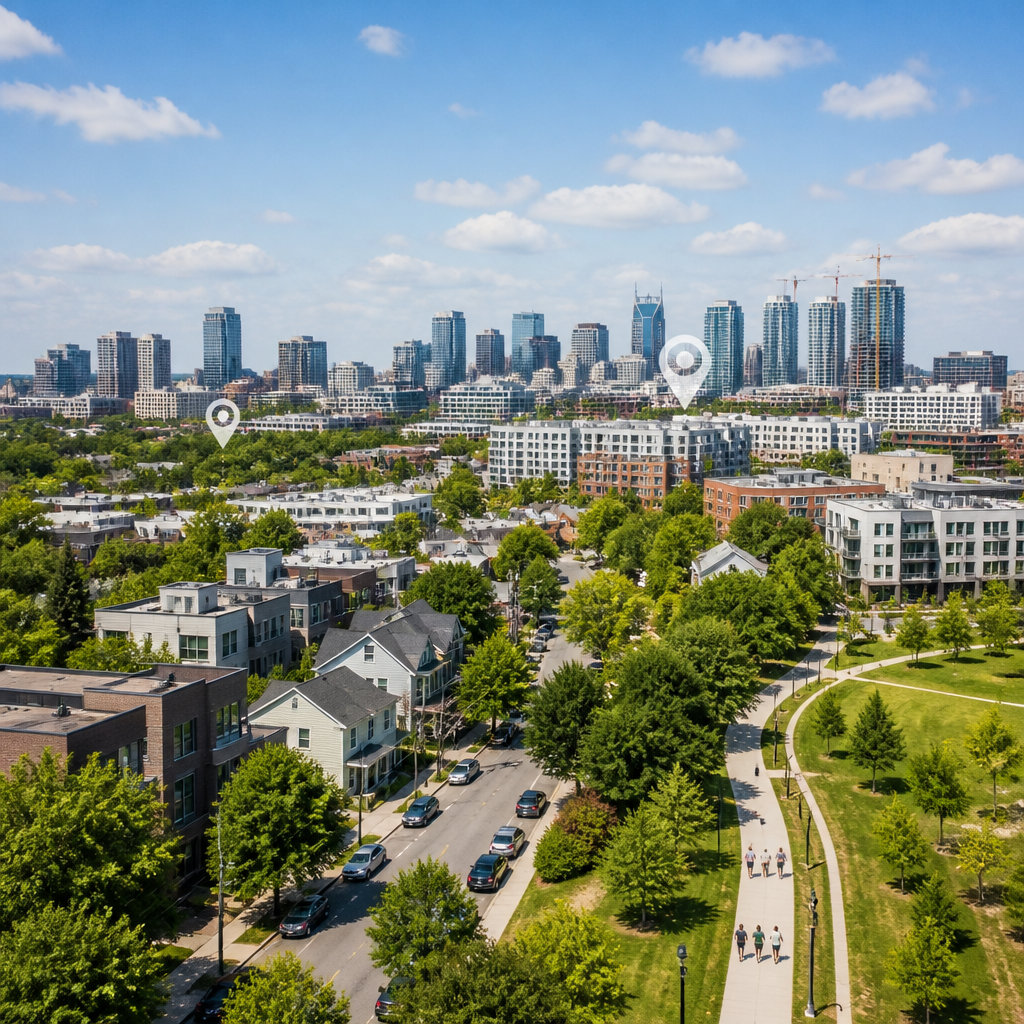
Relocation to Abbington Park Nashville appeals to households seeking suburban calm with city access. According to U.S. Census QuickFacts, Nashville-Davidson County’s population exceeds 715,000 residents as of recent counts, signaling sustained regional growth. Abbington Park, located off Tulip Grove Road near Hermitage, blends newer construction homes, established streets like Abbington Park Drive and Packard Drive, and quick routes toward Downtown Nashville. Understanding housing options, commute patterns, schools, parks, and moving logistics helps new residents transition smoothly into this east Nashville pocket.
What should newcomers know about housing options in Abbington Park?
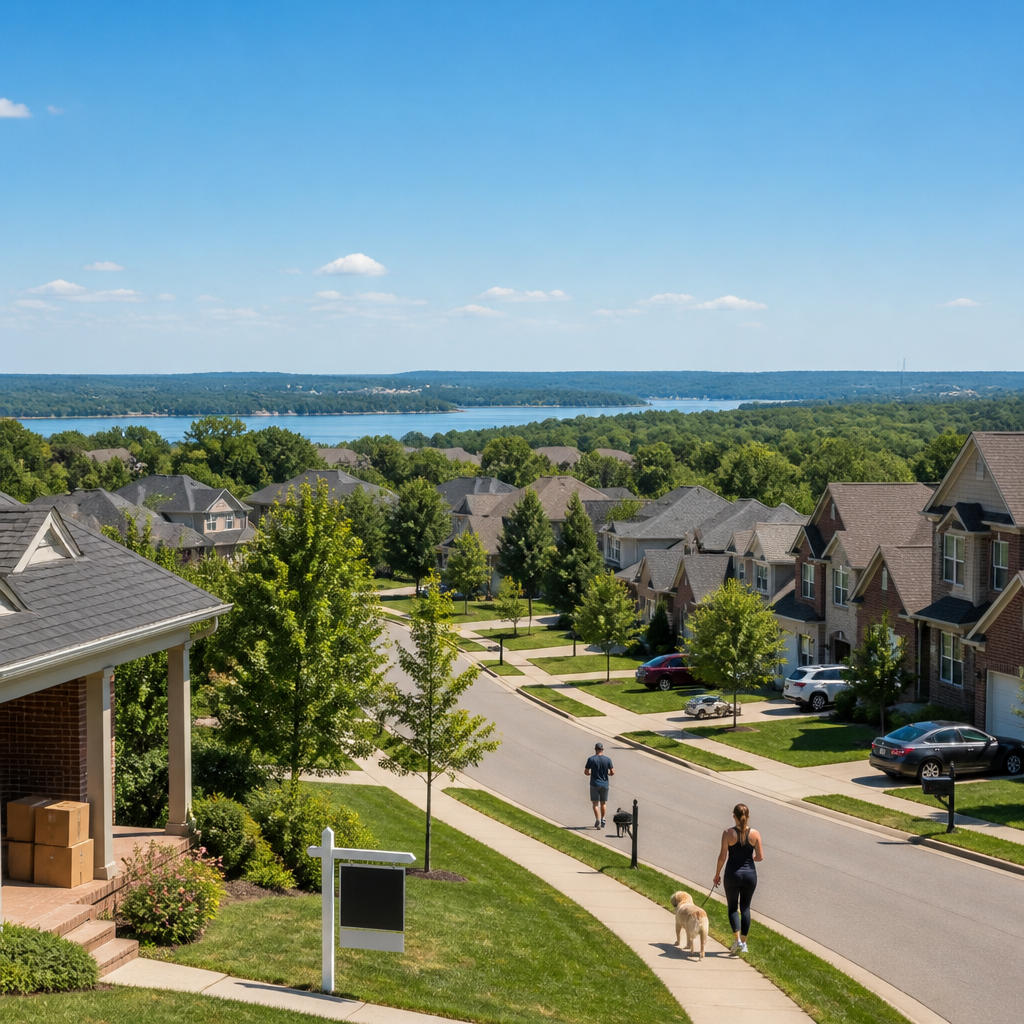
Housing in Abbington Park consists primarily of single-family homes built in the mid-2000s and later, with brick facades and attached garages. According to Realtor.com, Nashville’s median listing price has generally hovered between $420,000 and $480,000 in recent quarters, with Abbington Park typically tracking just below broader city averages. Many streets, including Abbington Park Drive, New Hope Drive, and Lakeridge Drive, feature sidewalks and modest front yards, creating a traditional suburban streetscape that appeals to residents seeking quieter cul-de-sacs.
Lot sizes in this corner of Hermitage and east Nashville commonly range from about 0.15 acres to 0.3 acres, providing enough outdoor space without intensive maintenance. Several homes back onto wooded common areas near the Stones River watershed, giving some properties added privacy. Based on recent Nashville-area transaction data compiled by Redfin through early 2026, many three-bedroom homes in similar subdivisions close between approximately $350,000 and $450,000, depending on updates, lot position, and square footage.
Home styles typically include open-concept main levels, with kitchens flowing into living areas, and 3 to 4 bedrooms on the second floor. Two-car garages are common, and several homes along Abbington Park Drive include bonus rooms that function as offices or playrooms. Homeowners’ association dues in comparable east Nashville subdivisions often fall in the range of $25 to $60 per month, based on regional surveys by Bankrate, typically covering common-area landscaping and signage.
Prospective residents comparing Abbington Park with nearby areas such as Tulip Grove, Riverwalk, and the neighborhoods around Dodson Chapel Road often focus on age of construction and interior finishes. Many Abbington Park homes already include features like vinyl plank flooring, granite or quartz counters, and stainless-steel appliances, reducing immediate renovation needs. Square footage frequently falls between about 1,700 and 2,400 square feet, a size that suits a wide range of household types, from single professionals to multi-person households.
How convenient is Abbington Park for commuting and regional access?
Abbington Park sits just south of Interstate 40, providing straightforward access to central Nashville and other employment centers. According to U.S. Census commuting data, the average one-way travel time for Nashville workers runs around 26 minutes, and residents of Hermitage and east Nashville often experience similar or slightly shorter drives. From Abbington Park Drive, the drive to Downtown Nashville via I‑40 west typically covers roughly 14 miles, depending on the chosen route.
On early weekday mornings, the hum of engines along Tulip Grove Road and the distant rush from I‑40 mix with birdsong drifting over Abbington Park Drive. Sunlight reflects off windshields in the Kroger parking lot on Lebanon Pike as commuters grab coffee, while brake lights form a soft red ribbon toward the Andrew Jackson Parkway on-ramp. The air often carries the faint scent of exhaust layered over freshly cut grass from yards along New Hope Drive, signaling the region’s daily transition into work mode.
Public transit options support residents who prefer bus connections. The WeGo Public Transit route along Lebanon Pike links Hermitage, Donelson, and Downtown Nashville. According to WeGo Public Transit, several express and local lines operate on weekdays, with frequencies commonly between 15 and 30 minutes during peak periods. Nashville International Airport along Donelson Pike lies roughly 8 miles southwest of Abbington Park, with typical off-peak drive times of about 15 minutes, offering convenient regional and national connectivity for frequent travelers.
Regional access extends beyond commuting. Old Hickory Boulevard, Andrew Jackson Parkway, and Central Pike provide alternatives to the interstate for cross-town errands. Commercial hubs like Opry Mills, about 9 miles away near Briley Parkway, and Providence Marketplace in Mount Juliet, roughly 11 miles east, offer extensive retail and dining choices. This network of highways and arterials enables residents to reach downtown offices, hospital campuses such as TriStar Summit Medical Center, and universities like Tennessee State University with manageable travel times across most of the week.
What schools and educational resources serve Abbington Park residents?
Abbington Park falls within the Metro Nashville Public Schools system, which serves more than 80,000 students according to Metro Nashville Public Schools. Many elementary-age residents attend Andrew Jackson Elementary School on Andrew Jackson Parkway in Hermitage. According to GreatSchools, the campus enrolls several hundred students across grades K‑4 and reports class sizes generally under 25 students per classroom, supporting more individualized attention compared with larger urban schools.
Older students frequently progress to DuPont Tyler Middle School and McGavock High School in Donelson, two established campuses serving eastern Davidson County. GreatSchools profiles indicate that McGavock High hosts specialized academies focused on hospitality, aviation, and digital design, reflecting Nashville’s tourism and creative industries. The drive from Abbington Park to McGavock High typically takes about 15 minutes in standard traffic via Andrew Jackson Parkway and McGavock Pike. Families often factor these commute times, along with extracurricular offerings, into long-term housing decisions.
Educational resources extend beyond traditional K‑12 schools. The Hermitage Branch of the Nashville Public Library on Andrew Jackson Parkway offers study spaces, story times, and computer labs. According to Nashville Public Library, this branch circulates tens of thousands of items annually and provides free Wi‑Fi and programming for all ages. Proximity to higher-education campuses, including Trevecca Nazarene University and Belmont University within roughly 10 to 14 miles, further enriches academic and cultural access for Abbington Park residents.
What parks, recreation, and lifestyle amenities surround Abbington Park?
Outdoor access ranks high among Abbington Park’s advantages. Percy Priest Lake lies only a few miles south, with boat ramps and picnic areas at Hamilton Creek Recreation Area and Cook Recreation Area. According to Tennessee State Parks, nearby Long Hunter State Park offers more than 2,600 acres of protected land and over 20 miles of hiking trails along the lakeshore. Stones River Greenway, accessible from trailheads near Two Rivers Park, adds paved paths for walkers and cyclists seeking longer routes toward Donelson and east Nashville.
On late summer evenings at Hamilton Creek Recreation Area, the air carries the cool scent of lake water and charcoal from nearby grills while cicadas buzz in steady rhythm. Sunlight glints off ripples on Percy Priest Lake as paddleboards glide past, and the soft crunch of gravel underfoot follows each step toward the shoreline. Families from Abbington Park spread blankets near picnic tables, and the distant laughter from the playground blends with the rustle of wind in the trees along the trail.
Lifestyle amenities cluster along Lebanon Pike, Old Hickory Boulevard, and Andrew Jackson Parkway. Grocery options include Kroger near Jackson Downs Boulevard and Publix at The Crossings in Hermitage. Casual dining features regional favorites such as Jenis Splendid Ice Creams at Opry Mills and local spots like Hermitage Cafe closer to the city. According to cost comparisons by Numbeo, restaurant prices in Nashville generally run about 5% to 12% below those in many coastal metros, which helps relocated residents maintain budgets while sampling new eateries.
Cultural attractions line the broader east Nashville corridor. Andrew Jackson’s Hermitage historic site sits only about 5 miles north along Lebanon Pike, offering museum exhibits and extensive grounds. The Grand Ole Opry House and Gaylord Opryland Resort stand approximately 9 miles away, anchoring Nashville’s music and convention scene. For everyday recreation closer to home, local playgrounds and sports fields around Tulip Grove Elementary and DuPont Elementary provide informal gathering spots, while community churches along Central Pike often host seasonal events and sports leagues.
How can new residents plan a smooth relocation to Abbington Park Nashville?
Effective planning for relocation to Abbington Park Nashville often begins with a clear timeline and budget. Moving costs within the Nashville region commonly range from about $1,200 to $2,500 for a typical three-bedroom home, based on current surveys by Move.org. Households arriving from higher-cost cities sometimes redirect savings from lower housing expenses into furnishings or minor upgrades such as landscaping, deck staining, or interior painting. Scheduling movers at least 4 to 6 weeks in advance generally helps secure desired dates, especially during the busy late spring and early summer period.
Service setup forms another critical element. Utility providers in the Abbington Park area include Nashville Electric Service, Metro Water Services, and gas service from Piedmont Natural Gas. Internet options often feature Xfinity, AT&T Fiber, or other regional vendors, with advertised download speeds commonly between 300 Mbps and 1 gigabit, depending on plan and infrastructure. Coordinating start dates 3 to 5 days before move-in ensures functional electricity, water, and connectivity the day boxes arrive, minimizing disruptions for remote workers or students.
Community integration typically accelerates when residents engage with neighborhood and city resources early. Many newcomers track local information through Metro Nashville’s hub at Nashville.gov, which lists trash pickup schedules, recycling details, and permitting guidelines. Attendance at local school events at Andrew Jackson Elementary, recreation programs at nearby community centers, and weekend visits to parks like Two Rivers Park or Long Hunter State Park help households establish routines. Over the first 90 days after arrival, consistent participation in these activities often turns unfamiliar streets such as Abbington Park Drive and New Hope Drive into a comfortable everyday landscape.
The 715,000-resident benchmark cited at the start of this guide reflects a metropolitan area still growing steadily, which shapes competition for homes in enclaves such as Abbington Park. That same population figure from the opening underscores why early planning around housing, commuting, and services delivers meaningful advantages for incoming residents. The Greater Nashville Realtors market reports provide one of the clearest recurring snapshots of inventory and price trends across Davidson County. Buyers who register listing alerts through regional platforms, coordinate tours within 48 hours of promising Abbington Park listings, and finalize offers before the late spring surge each year typically secure stronger positions; households delaying those steps until after June often face tighter choices, higher prices, and diminished negotiating leverage for comparable homes.
Recent Posts