
Investing in Abbottsford, Nashville: A 2026 Investor's Guide
Investing in Abbottsford, Nashville: A 2026 Investor's Guide
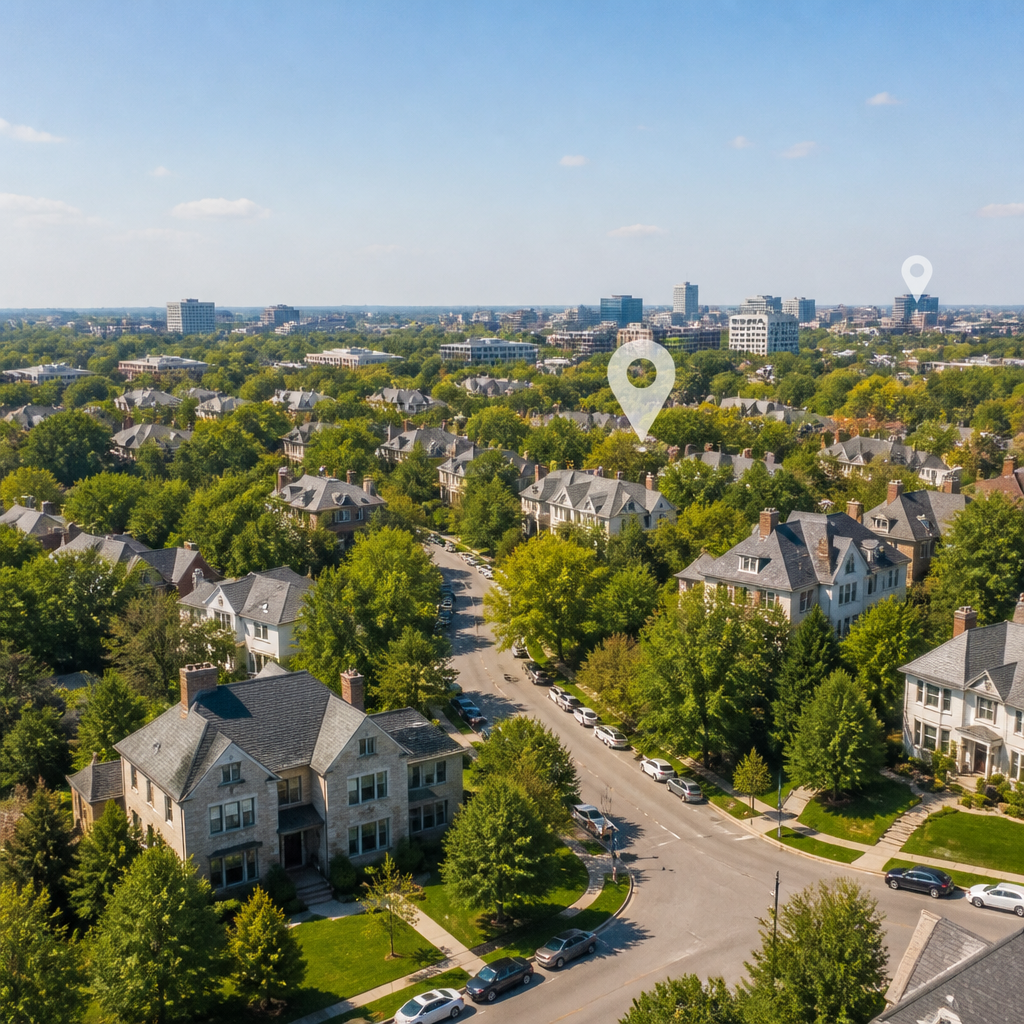
Abbottsford sits just south of Green Hills and has become a quiet favorite for higher-end investment properties in Nashville. According to Redfin, homes in the broader Green Hills area around Abbottsford averaged about 34 days on market in mid-2024, signaling consistent demand. Gated streets, mature trees, and proximity to Hillsboro Pike create a stable, owner-occupied feel that often supports premium rents, lower vacancy, and longer-term tenant profiles than many nearby zip codes.
Why are investment properties in Abbottsford Nashville drawing attention for 2026?
Abbottsford’s appeal starts with its position between Hillsboro Pike and Granny White Pike, a short drive from both Belmont University and Vanderbilt University. According to Zillow, upper-end homes in the Green Hills submarket surrounding Abbottsford typically trade between $1.2M and $2.4M as of late 2024, underscoring the area’s luxury baseline. That pricing frame shapes investment strategy toward long-term appreciation, high-income tenants, and executive rentals rather than high-turnover, entry-level inventory.
Limited land supply also matters. The Abbottsford community is largely built out, with brick traditional homes along Abbottsford Drive, Abbottsford Court, and Abbott Martin Road holding substantial lot sizes. Based on listing counts tracked by Realtor.com, monthly active inventory in Green Hills often stays below 60 homes, which naturally constrains investor choice. Scarcity can amplify price resilience during slower cycles and create bidding pressure when a well-located property becomes available.
Demand drivers extend beyond owner-occupiers. According to enrollment data summarized by Greater Nashville REALTORS, the broader Nashville market has added tens of thousands of residents since 2020, with continued in-migration from higher-cost coastal metros. High-income arrivals often target Green Hills, Abbottsford, and nearby Burton Hills because of quick access to downtown (about 6 miles) and to medical centers near Vanderbilt University. That inflow supports robust tenant pools for luxury single-family and executive lease properties.
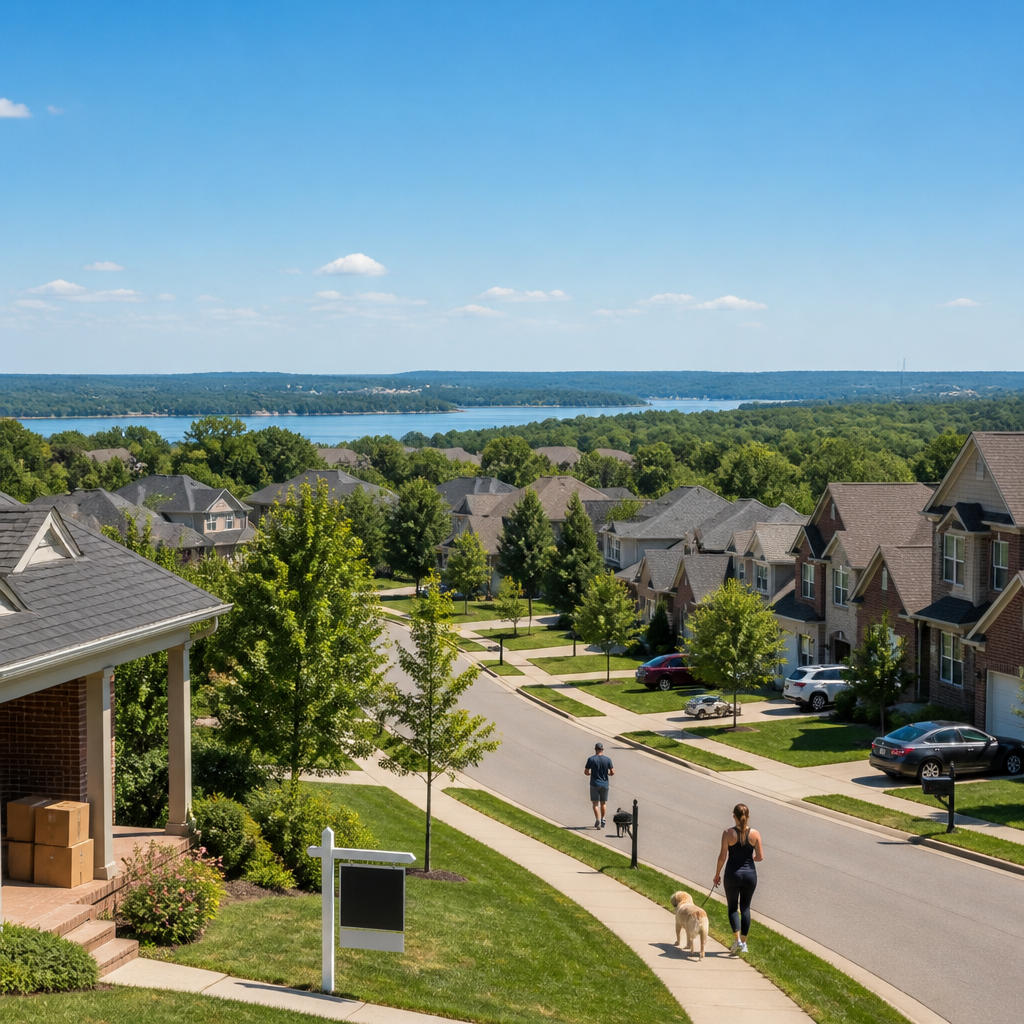
On a clear evening, the curve of Abbottsford Drive feels almost secluded, with soft light spilling from stately porches and the distant hum of traffic along Hillsboro Pike fading into the background. The air often carries the smell of grilled food from patios after games at nearby Vanderbilt Stadium, while tree canopies filter the glow from The Mall at Green Hills just over the hill. That mix of quiet residential soundscape and subtle commercial energy helps reinforce the neighborhood’s upscale, retreatlike character.
What property types in Abbottsford align with different investment strategies?
Most investment properties in Abbottsford Nashville take the form of large single-family homes, often on quarter-acre or larger lots. According to Redfin, many Green Hills–area homes exceed 3,000 square feet, and a meaningful subset in Abbottsford surpasses 4,000 square feet. Those sizes suit corporate tenants seeking 4–5 bedrooms, home offices, and outdoor space. Investors frequently target layouts that can flex between multi-generational occupancy and executive rental formats.
Townhome-style properties are less common inside Abbottsford’s gates but appear in adjacent enclaves off Abbott Martin Road and Warfield Drive. According to listing data aggregated by Realtor.com, attached homes within a 1-mile radius often price between $900,000 and $1,300,000 as of early 2025. Those units can offer a slightly lower entry price than estate-style homes while still capturing Green Hills–level rents and proximity benefits.
Short-term rentals require careful analysis. According to regulations summarized by the Metropolitan Government at Nashville.gov, non-owner-occupied permits in many residentially zoned areas have become more restricted. Abbottsford’s HOA and zoning pattern typically favor long-term occupancy and may limit nightly rental strategies. For investors, that often redirects focus toward 12–24 month corporate leases, academic-year housing for medical residents, or luxury long-term placements.
Some investors consider value-add strategies, such as modernizing interiors in classic brick homes along Abbottsford Court or aligning outdoor spaces with current expectations. Based on remodeling cost surveys by Zillow Research, upscale kitchen and bath renovations in Nashville frequently run between $75,000 and $150,000, depending on finish level. When paired with already-strong school zones and location advantages, those improvements can support rent increases, stronger appraisal outcomes, and more competitive positioning on resale.
How do rents, expenses, and returns in Abbottsford compare going into 2026?
Income expectations in Abbottsford differ from many Nashville neighborhoods because property values sit near the top of the local range. According to the Zillow Observed Rent Index for the Green Hills area, summarized by Zillow Research, upper-tier single-family homes nearby often command monthly rents between $5,000 and $8,000 as of late 2024. That range can support mid-single-digit cap rates when combined with prudent leverage and disciplined operating expenses.
Operating costs require equally careful modeling. The Metropolitan Trustee’s office notes on Nashville.gov that Davidson County’s effective property tax rate generally falls near 2% of assessed value. In practical terms, a home valued around $1,500,000 in Abbottsford may carry annual property taxes in the range of $24,000 to $30,000, depending on assessment and exemptions. Insurance, landscaping, and HOA dues must be layered on top of that baseline.
Homeowners association fees also influence net yield. Community documents and listing remarks compiled on Redfin show HOA assessments in comparable gated neighborhoods near Abbottsford often running between $250 and $600 per month. Those assessments typically cover gate maintenance, landscaping of common areas, and sometimes limited amenities, helping preserve the area’s visual standard and, in turn, long-term property values.
Return expectations must balance those expenses with relatively moderate leverage. According to financing patterns reported by Greater Nashville REALTORS, higher-end Nashville transactions more frequently involve down payments of 20–30% or more, above the 3.5% FHA minimum. That structure keeps debt-service coverage ratios healthier in an area where rents are strong in absolute terms but yields often land in the 3–5% range before appreciation.
What location and amenity factors shape tenant demand in Abbottsford?
Location is central to the investment thesis for Abbottsford. The neighborhood sits minutes from The Mall at Green Hills, with direct access along Hillsboro Pike and Abbott Martin Road. According to Walk Score, the broader Green Hills area posts a walk score around 60 and a bike score near 30, reflecting car-oriented patterns but strong access to retail and dining. Tenants gain quick routes to downtown Nashville, the Gulch, and Berry Hill creative offices.
School zoning adds another layer of demand. GreatSchools rates Julia Green Elementary, which serves much of the Green Hills zone, at 9 out of 10, according to data on GreatSchools. Nearby private institutions such as Harpeth Hall School, Montgomery Bell Academy, and Lipscomb Academy cluster along Granny White Pike and Belmont Boulevard. Families willing to pay for proximity to those campuses often place a premium on homes within a short drive of Abbottsford’s gates.
Weekend mornings often bring the smell of espresso from cafes near The Mall at Green Hills and the soft chatter of shoppers lining Hillsboro Pike. Just a few minutes away in Sevier Park along 12th Avenue South, runners pass under tall trees while live music drifts from nearby restaurants. Residents of Abbottsford experience that sensory mix as a regular backdrop: the glow of storefronts, the rustle of leaves in Percy Warner Park, and the muted skyline of downtown visible on clear evenings.
Recreation options round out the lifestyle story that tenants weigh heavily. Radnor Lake State Park lies roughly 5 miles south, offering quiet trails and lake views. Percy Warner and Edwin Warner Parks, about 7–8 miles west along Highway 100, provide extensive hiking, equestrian paths, and golf facilities. According to visitor data summarized by the state on Tennessee State Parks, Radnor Lake draws hundreds of thousands of annual visits, reinforcing the pull of outdoor amenities for households choosing higher-end neighborhoods such as Abbottsford.
How can investors manage risk when targeting Abbottsford in 2026?
Risk management in Abbottsford begins with conservative underwriting. According to quarterly reports from Greater Nashville REALTORS, Nashville’s overall median price has climbed steadily since 2015, but appreciation has varied by submarket. Modeling Abbottsford acquisitions on rent projections that are 5–10% below optimistic scenarios, along with vacancy assumptions of at least 5%, helps account for potential softening. Investors also frequently allocate reserves equal to 6–12 months of expenses because of the higher carrying costs associated with luxury property.
Regulatory awareness is another component. As outlined on Nashville.gov, the city has tightened rules on non-owner-occupied short-term rentals over the past several legislative cycles. Investors planning executive stays or furnished mid-term rentals in Abbottsford need structures that align with both HOA guidelines and municipal policy. Legal and property-management costs in the range of 8–12% of gross rent, based on surveys reported by Zillow Research, are common line items in this type of asset.
Physical risk deserves parallel attention. Many Abbottsford homes date from the 1990s and early 2000s, an era known for solid construction but sometimes aging systems. According to national estimates summarized by Realtor.com, composite shingle roofs often require replacement after 20–30 years, while HVAC systems frequently need major work after 15–20 years. Budgeting for near-term capital expenditures prevents surprises and protects return expectations when acquiring homes approaching those age thresholds.
Liquidity also factors into risk strategy. With days-on-market in the surrounding Green Hills area averaging about 34 in 2024, per Redfin, Abbottsford assets are not illiquid by luxury standards, but they remain specialized. Capital structures using moderate leverage and longer fixed-rate terms can better absorb interest-rate shifts. Diversifying across multiple Nashville submarkets—such as Abbington Park or Sylvan Park—can also cushion portfolio volatility while retaining at least one high-end anchor in Abbottsford.
The 34-day average market time cited at the start of this guide reflects a neighborhood where demand stays resilient, yet selectivity still matters for investors choosing individual addresses. That 34-day figure from the opening underscores how quickly capital must move once a well-positioned Abbottsford home comes to market, especially in peak seasons. The Greater Nashville REALTORS monthly market reports offer one of the clearest windows into changing inventory, absorption, and price trends across Green Hills and surrounding corridors. Investors who register listing alerts, track those reports carefully, and schedule in-person tours within 48 hours of a suitable listing hitting the MLS before the spring surge in March or April tend to secure stronger positions; those who delay until after the early-summer contract wave often encounter thinner choices, firmer pricing, and reduced negotiating leverage.
Recent Posts